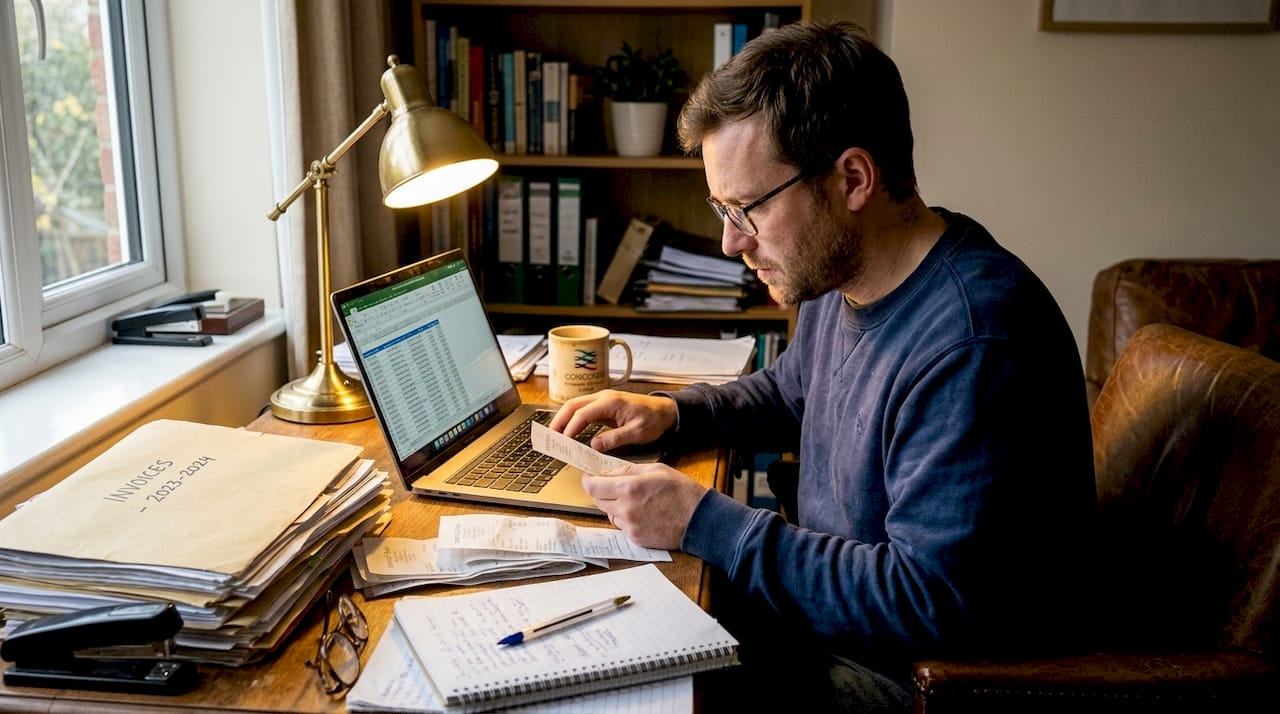
Managing your accounts as a sole trader can feel overwhelming when you’re juggling business operations alongside financial responsibilities. Without the support structures larger companies enjoy, staying on top of bookkeeping, tax deadlines, and HMRC compliance falls entirely on your shoulders. The good news is that with the right strategies and tools, you can transform accounting from a dreaded chore into a manageable routine that protects your business and maximises profitability. This guide delivers practical, actionable tips specifically designed for UK sole traders who want to take control of their finances, reduce stress, and ensure they meet every legal obligation without costly mistakes.
Table of Contents
- Key takeaways
- How to manage bookkeeping effectively as a sole trader
- Key tax considerations for sole traders
- Accounting software and professional help to simplify your finances
- Best practices for organising records and managing payments
- Support your sole trader accounting with expert payroll and financial services
- Frequently asked questions
Key Takeaways
| Point | Details |
|---|---|
| Record transactions daily | Record all income and expenses as they occur to keep financial data accurate and tax ready. |
| Separate finances | Keep personal and business money in dedicated bank accounts to simplify reconciliation and tax deductions. |
| Back up weekly | Back up financial data weekly to multiple secure locations to protect against data loss. |
| Self assessment deadline | Register for self assessment with HMRC and file the annual return by 31 January to avoid penalties. |
How to manage bookkeeping effectively as a sole trader
Bookkeeping forms the foundation of sound financial management for any sole trader. Without accurate records, you cannot track profitability, prepare tax returns correctly, or make informed business decisions. The key is establishing a system that captures every transaction without creating unnecessary administrative burden.
Start by recording all income and expenses as they occur rather than leaving everything until tax season. Digital tools have revolutionised this process, making it easier than ever to snap photos of receipts, categorise transactions automatically, and generate reports instantly. Proper bookkeeping helps avoid errors and ensures readiness for tax submissions, giving you confidence when dealing with HMRC.
Choose bookkeeping software that matches your technical comfort level and business complexity. Cloud based solutions offer accessibility from any device, automatic bank feeds that import transactions, and real time financial dashboards. Even basic spreadsheet templates work well if you prefer manual control, though they require more discipline to maintain consistently.
HMRC requires sole traders to retain financial records for at least six years from the end of the relevant tax year. This applies to invoices, receipts, bank statements, and any other documents supporting your income and expense claims. Store digital copies securely with regular backups to protect against data loss.
Regular financial reviews separate successful sole traders from those who struggle. Schedule monthly sessions to reconcile bank statements, review profit margins, and identify spending patterns. This habit reveals cash flow issues early, highlights opportunities to reduce costs, and keeps you prepared for quarterly tax planning.
Pro tip: Set aside 30 minutes every Friday afternoon to update your books whilst transactions are fresh in your mind. This weekly rhythm prevents the overwhelming backlog that builds when you postpone bookkeeping for months.
Key bookkeeping practices include:
- Recording every business transaction on the day it occurs
- Separating personal and business finances with dedicated bank accounts
- Categorising expenses correctly to maximise tax deductions
- Backing up financial data weekly to multiple secure locations
- Reconciling accounts monthly to catch errors immediately
Key tax considerations for sole traders
Tax obligations represent one of the most critical aspects of sole trader accounting, yet many self employed individuals struggle with the complexity of self assessment returns and payment schedules. Understanding your responsibilities prevents costly penalties and ensures you claim every allowable deduction.
Every sole trader must register for self assessment with HMRC and submit an annual tax return by 31 January following the end of the tax year. Miss this deadline and you face automatic penalties starting at £100, increasing substantially if delays continue. The same date marks the payment deadline for any tax owed, making January a financially demanding month for the unprepared.
Understanding tax deductions and deadlines ensures compliance and reduces tax burden significantly. Allowable expenses reduce your taxable profit, so claiming everything legitimately available makes a substantial difference to your final bill. Office costs, professional fees, travel expenses, stock purchases, and proportionate home office costs all qualify when used wholly and exclusively for business purposes.
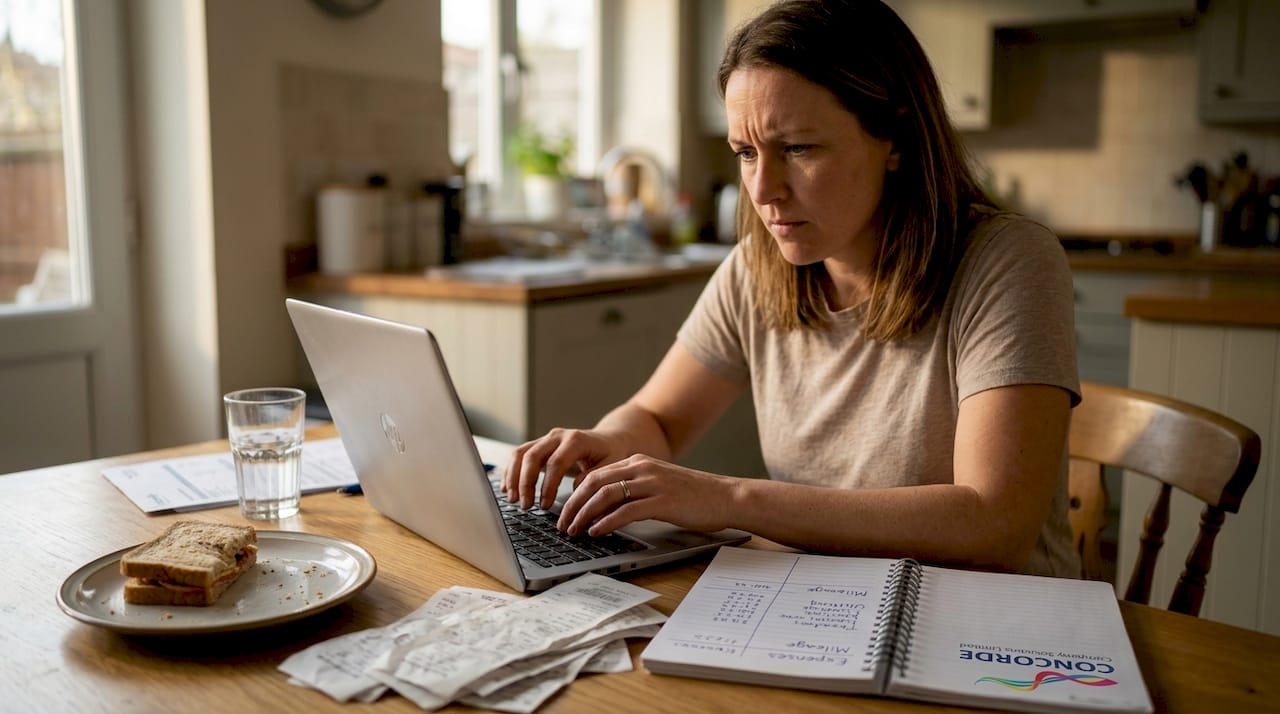
National Insurance contributions add another layer to sole trader tax obligations. Class 2 contributions are payable if your profits exceed £12,570 annually in 2026, whilst Class 4 contributions apply as a percentage of profits above this threshold. These contributions count towards your state pension and other benefits, so understanding the rates and thresholds matters for long term financial planning.
VAT registration becomes mandatory once your turnover exceeds £85,000 in any rolling 12 month period. You can register voluntarily below this threshold, which might benefit businesses that purchase significant supplies from VAT registered suppliers. However, VAT registration brings additional administrative responsibilities and quarterly return deadlines.
Pro tip: Make digital copies of every receipt immediately using your smartphone camera. Create a dedicated email folder where you forward electronic receipts the moment they arrive. This eliminates the panic of searching for missing documentation when tax return time arrives.
Essential tax responsibilities include:
- Registering for self assessment before your first trading year ends
- Calculating estimated tax quarterly and setting funds aside
- Claiming all legitimate business expenses with supporting documentation
- Making payments on account if your previous year’s tax exceeded £1,000
- Monitoring turnover monthly to identify when VAT registration becomes necessary
Accounting software and professional help to simplify your finances
Technology has transformed accounting from a paper intensive nightmare into a streamlined digital process accessible to everyone. The right software eliminates calculation errors, automates repetitive tasks, and provides instant insights into your financial position without requiring accounting expertise.
Popular options for sole traders include cloud based platforms that connect directly to your bank account, automatically importing and categorising transactions. These systems generate invoices, track expenses, calculate tax estimates, and produce reports that accountants can access remotely. Using dedicated software reduces errors, saves time, and improves tax return accuracy substantially.
| Software feature | Budget option | Premium option |
|---|---|---|
| Monthly cost | £5 to £10 | £20 to £35 |
| Bank feed automation | Limited connections | Unlimited connections |
| Invoice generation | Basic templates | Customisable branding |
| Expense tracking | Manual entry | Receipt scanning |
| Tax calculation | Annual estimates | Real time updates |
| HMRC integration | Basic submission | Full Making Tax Digital compliance |
| Support level | Email only | Phone and live chat |
Choosing between doing your own accounts and hiring professional help depends on your comfort with numbers, available time, and business complexity. Simple sole trader operations with straightforward income and expenses might not justify professional fees, especially when learning accounting software builds valuable business skills.
However, professional accountants and bookkeepers offer expertise that extends beyond basic number crunching. They identify tax planning opportunities you might miss, ensure complete compliance with changing regulations, and provide strategic advice that improves profitability. The peace of mind alone often justifies the investment, particularly as your business grows and finances become more complex.
Pro tip: Many accounting software providers offer free trials lasting 30 days. Test multiple platforms during quiet business periods to find the interface that feels most intuitive before committing to an annual subscription.
When selecting accounting solutions, consider:
- Whether the software integrates seamlessly with your bank and other business tools
- If the interface feels intuitive enough to use consistently without frustration
- Whether customer support responds quickly when technical issues arise
Best practices for organising records and managing payments
Systematic record organisation separates sole traders who breeze through tax season from those who scramble frantically searching for missing documents. The effort invested in maintaining tidy financial records pays dividends in reduced stress, faster decision making, and bulletproof audit protection.
Digital record keeping offers superior advantages over physical filing systems. Cloud storage provides automatic backups, instant searchability, and access from anywhere with internet connectivity. Scan paper receipts immediately and store them in clearly labelled folders organised by month and category. This approach eliminates the shoebox of crumpled receipts that characterises poor financial management.
Prompt invoicing directly impacts cash flow, yet many sole traders delay sending invoices until convenient rather than immediately upon completing work. Issue invoices the same day you deliver services or products, including clear payment terms and multiple payment options to remove friction. Follow up professionally on overdue payments after seven days, escalating reminders at 14 and 21 day intervals.
Bank reconciliation catches errors, identifies fraudulent transactions, and confirms that your bookkeeping records match reality. Organised records and timely payments ease tax filing and improve cash flow management substantially. Reconcile at least monthly, comparing every transaction in your accounting software against your bank statement line by line.
Scheduled financial reviews transform accounting from reactive firefighting into proactive business management. Block time fortnightly to analyse profit margins, review spending patterns, and forecast upcoming expenses. These sessions reveal trends that inform strategic decisions about pricing, cost reduction, and investment priorities.
Implement these record management steps:
- Photograph or scan every receipt within 24 hours of the transaction
- Store digital copies in dated folders with descriptive file names
- Back up financial data weekly to at least two separate locations
- Reconcile bank statements on the first working day of each month
- Review aged receivables weekly and chase overdue invoices immediately
- Archive completed tax year records securely but separately from current files
Additional organisational practices include:
- Creating invoice templates that populate automatically with client details
- Setting calendar reminders for all tax deadlines three weeks in advance
- Maintaining a separate business bank account to simplify transaction tracking
- Documenting the business purpose of every expense at the time of purchase
Support your sole trader accounting with expert payroll and financial services
Managing accounting responsibilities alone consumes valuable time that could drive business growth and serve clients better. Even the most organised sole traders benefit from professional support that brings specialist expertise, ensures complete compliance, and provides strategic financial guidance tailored to your unique circumstances.

Concorde Company Solutions specialises in payroll services for sole traders and comprehensive accounting support designed specifically for self employed professionals across the UK. Our team handles everything from routine bookkeeping and tax return preparation to strategic planning that optimises your financial position. We understand the pressures sole traders face because we work exclusively with businesses like yours, delivering personalised service that larger firms cannot match.
Partnering with experienced accountants eliminates the anxiety of missed deadlines, incorrect calculations, and potential HMRC penalties. You gain confidence knowing that qualified professionals monitor your finances, identify tax saving opportunities, and keep you compliant with evolving regulations. This support frees your energy for the work you do best whilst ensuring your financial foundation remains solid.
Discover how Concorde Company Solutions can transform your accounting from a burden into a strategic advantage. Our transparent pricing and responsive communication make professional accounting support accessible and valuable for sole traders at every stage of business development.
Frequently asked questions
What accounting records must sole traders keep?
Sole traders must maintain comprehensive records of all business income, expenses, VAT transactions if registered, and bank statements for at least six years from the end of the relevant tax year. These records should be accurate, up to date, and readily accessible to facilitate seamless tax filing and protect against HMRC enquiries. Digital copies stored securely with regular backups satisfy legal requirements whilst offering superior organisation compared to paper files.
Which expenses can sole traders claim to reduce tax bills?
Allowable expenses include office costs, business travel, stock purchases, professional fees, marketing expenses, and proportionate utility bills for home offices when used wholly and exclusively for business purposes. Equipment, software subscriptions, insurance premiums, and bank charges also qualify as legitimate deductions. Only expenses with a clear business purpose reduce taxable profit, so maintaining detailed records with supporting receipts proves essential for maximising claims whilst remaining compliant.
Do sole traders need to register for VAT?
VAT registration becomes mandatory when your taxable turnover exceeds £85,000 in any rolling 12 month period, requiring you to charge VAT on sales and submit quarterly returns to HMRC. Voluntary registration below this threshold remains optional and might benefit businesses purchasing significant supplies from VAT registered suppliers, allowing you to reclaim input VAT. However, registration increases administrative responsibilities and potentially raises prices for non VAT registered customers, so evaluate the decision carefully based on your specific circumstances.
When should sole traders consider hiring an accountant?
Sole traders benefit from professional accounting support when facing complex tax situations, experiencing rapid business growth, or preferring to outsource time consuming financial administration entirely. An accountant provides valuable expertise during major business decisions, ensures complete compliance with changing regulations, and identifies tax planning opportunities that maximise profitability. The investment typically pays for itself through improved accuracy, reduced stress, and strategic advice that enhances long term financial health.
No responses yet