
TL;DR:
- Proper, updated bookkeeping is essential for legal compliance and accurate financial reporting.
- Moving to cloud-based software and digitizing receipts improves efficiency and reduces errors.
- Regular review and flexibility in processes help SMEs adapt and derive value from their records.
UK tax rules shifted again in 2025, and many small business owners are still catching up. Sloppy records, missed deadlines, and outdated software are costing SMEs real money, not just stress. Getting your bookkeeping right is no longer optional; it is the foundation of every smart financial decision you make. In this guide, we walk through how to assess your current process, which practices to adopt, what compliance looks like in 2025, and how good bookkeeping becomes a genuine business asset rather than a chore.
Table of Contents
- How to evaluate your current bookkeeping process
- Top bookkeeping practices to adopt in 2025
- Navigating compliance and legal requirements in 2025
- Getting more value from your bookkeeping in 2025
- A fresh take: Why flexibility beats perfection in bookkeeping
- Streamline your bookkeeping with expert help
- Frequently asked questions
Key Takeaways
| Point | Details |
|---|---|
| Assess your process | Regularly reviewing your current bookkeeping uncovers weak spots and opportunities for improvement. |
| Adopt new practices | Leveraging up-to-date digital tools streamlines tasks and reduces the risk of error in 2025. |
| Stay compliant | Following the latest HMRC rules saves your business from costly penalties and stress. |
| Unlock growth | Turn quality bookkeeping into sharper financial insights to power better business decisions. |
How to evaluate your current bookkeeping process
Before you fix anything, you need to know what is broken. Most business owners assume their books are fine until a tax bill surprises them or an audit request arrives. A structured self-assessment takes less than an hour and can reveal problems that would otherwise cost thousands.
Start with these five checks:
- Are transactions recorded within 48 hours of occurring? Delays create gaps and guesswork.
- Are all documents stored digitally and backed up? Paper receipts fade and get lost.
- Are your bank accounts reconciled every month? Unreconciled accounts hide errors and fraud.
- Do your records match your VAT returns and payroll submissions? Mismatches trigger HMRC queries.
- Can you produce a profit and loss report within minutes? If not, your system is too slow.
If you answered no to two or more of those, your bookkeeping needs attention now, not at year end. Accurate bookkeeping is vital for producing clear financial reports that reflect the true state of your business.
Common warning signs include duplicate entries, unexplained variances in your bank reconciliation, and invoices that go unpaid because nobody tracked them. These are not minor admin issues. They are symptoms of a system that will eventually fail you.
“The biggest compliance risk for SMEs is not deliberate fraud. It is disorganised records that make it impossible to prove what actually happened.” Staying organised is your first line of defence against penalties.
Pro Tip: Schedule a 30-minute internal review at the end of each month. Check your reconciliations, scan for missing receipts, and confirm your VAT figures match your sales records. Catching small issues monthly is far cheaper than fixing large ones quarterly.
Top bookkeeping practices to adopt in 2025
Once you know where your gaps are, the next step is upgrading your approach. The good news is that modern tools make this easier than ever, provided you actually use them.
The single biggest improvement most SMEs can make is moving to cloud-based accounting software. Platforms like Xero, QuickBooks, and Sage give you real-time access to your figures from any device, automatic bank feeds, and built-in backup. You are not relying on a spreadsheet saved on one laptop.
Upgrading accounting software enhances efficiency and reduces the risk of manual errors that creep into older systems. The difference between old and new processes is significant:
| Old process | New process |
|---|---|
| Manual data entry from paper receipts | Automated bank feeds and digital receipt scanning |
| Monthly spreadsheet updates | Real-time transaction recording |
| Filing cabinets for documents | Cloud document storage with search function |
| Manual VAT calculations | Software-generated VAT returns |
| End-of-year scramble | Ongoing, up-to-date records |
Beyond software, here are the practices that make the biggest practical difference:
- Digitise every receipt immediately using your phone or a scanning app
- Set up automated bank reconciliations so your books match your statements without manual effort
- Create a consistent chart of accounts so every expense is categorised the same way every time
- Run monthly compliance checks to confirm VAT, payroll, and PAYE figures are accurate
- Separate business and personal finances completely, even if you are a sole trader
Understanding the distinction between bookkeeping versus accounting also helps here. Bookkeeping is the daily recording work; accounting is the interpretation. Both matter, but you cannot have good accounting without disciplined bookkeeping underneath it.
Navigating compliance and legal requirements in 2025
Best practices only deliver results if you are working within the current legal framework. HMRC has continued tightening its requirements, and 2025 brought several changes that directly affect how SMEs manage their records.
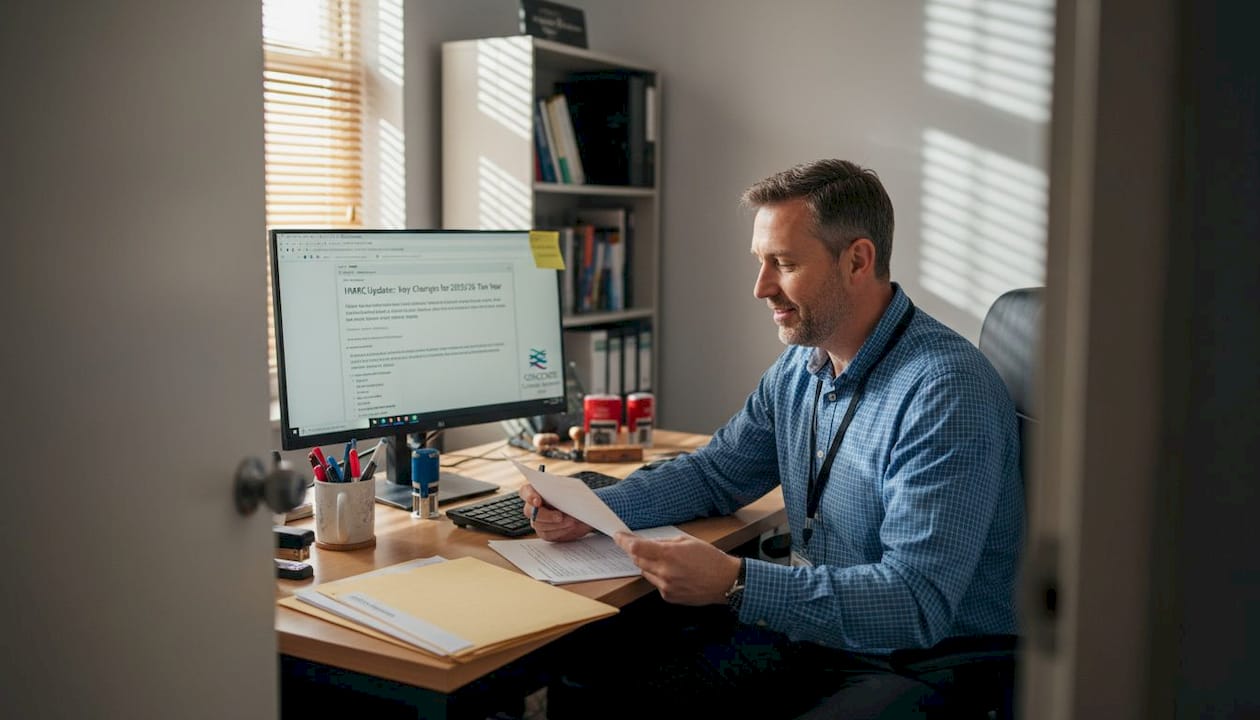
HMRC compliance updates reflect the agency’s ongoing effort to reduce an estimated £19 billion in tax losses annually. Digital record-keeping and Making Tax Digital (MTD) requirements have expanded, meaning more businesses must now file digitally and maintain records in a compatible format.
Here is a summary of key compliance deadlines and obligations:
| Obligation | Deadline or frequency | Notes |
|---|---|---|
| VAT returns (MTD) | Quarterly | Must use MTD-compatible software |
| Self-assessment tax return | 31 January | Online filing required |
| Corporation tax return | 12 months after year end | Accompanied by statutory accounts |
| PAYE and payroll submissions | Monthly | Real Time Information (RTI) reporting |
| Record retention | Minimum 6 years | Includes digital and paper records |
The most common mistakes that lead to penalties include:
- Filing VAT returns late because records were not up to date
- Failing to keep digital copies of invoices and receipts
- Using software that is no longer updated for compliance with MTD requirements
- Mixing personal and business transactions in the same account
- Missing the corporation tax deadline due to poor year-end preparation
Proper financial compliance for SMEs is not just about avoiding fines. It protects your credit rating, supports funding applications, and keeps your business relationships professional. Lenders and investors look at your compliance history before they look at your growth story.
Getting more value from your bookkeeping in 2025
Compliance is the floor, not the ceiling. Once your records are accurate and current, they become one of the most powerful tools you have for running a better business.
Good bookkeeping reveals patterns that are invisible when your records are messy. You can see which clients pay late and cost you cash flow. You can spot which product lines have thin margins. You can identify seasonal dips early enough to plan around them. Timely reports and financial data drive better decisions, and that is where bookkeeping pays for itself many times over.
The key financial KPIs (key performance indicators, the metrics that measure business health) you can track with robust bookkeeping include:
- Gross profit margin: Revenue minus direct costs, expressed as a percentage
- Debtor days: How long it takes customers to pay you on average
- Creditor days: How long you take to pay suppliers
- Cash runway: How many months you can operate without new income
- Overhead ratio: Fixed costs as a percentage of total revenue
These figures are only reliable if the underlying records are accurate. A business that tracks these monthly can respond to problems weeks before they become crises.
Understanding the broader role of bookkeeping in your business helps you see it as a strategic function rather than an administrative burden. The reports available from a well-maintained system include profit and loss statements, cash flow forecasts, aged debtor reports, VAT summaries, and budget variance analyses.
Pro Tip: Ask your accountant or bookkeeper to walk you through your management accounts every quarter. Not just to check the numbers, but to explain what they mean for your next three months. That conversation is often where the most valuable business insights come from.
A fresh take: Why flexibility beats perfection in bookkeeping
Here is something most accounting guides will not tell you. Chasing perfect books is often the enemy of useful books. We see SME owners spend enormous energy making sure every penny is categorised precisely, while missing the bigger picture entirely.
The businesses that benefit most from their bookkeeping are not the ones with the most elaborate systems. They are the ones that review their figures regularly, adapt their processes when something stops working, and treat their records as a living tool rather than a compliance exercise.
Rigid systems break under pressure. A business that grows quickly, pivots its model, or takes on new staff needs bookkeeping that can flex with it. Accepting that your process will need to evolve is not a weakness. It is pragmatic.
Using professional bookkeeping support is often what gives SMEs that flexibility, because an experienced bookkeeper can adapt the system as the business changes, rather than forcing the business to fit the system. The goal is not perfect records. The goal is records that are accurate enough to make good decisions and stay compliant. That is a much more achievable and sustainable standard.
Streamline your bookkeeping with expert help
Following the practices in this guide will put your bookkeeping on solid ground, keep you compliant with HMRC, and give you the financial visibility to make smarter decisions. But knowing what to do and having the time and expertise to do it consistently are two different things.

At Concorde Company Solutions, we work with small and medium-sized businesses across the UK to take the pressure off their finances. From day-to-day bookkeeping to payroll support services, our team handles the detail so you can focus on running your business. If you are ready to stop worrying about whether your records are right and start using them to grow, get in touch with us today.
Frequently asked questions
What are the most important bookkeeping records to keep in the UK?
You must retain all invoices, receipts, bank statements, and digital records as required by HMRC for at least six years. Recordkeeping is a legal requirement and failing to maintain adequate records can result in penalties.
How often should I reconcile my accounts?
Monthly reconciliations are best practice for UK SMEs to ensure errors are detected quickly and records stay accurate. Regular reconciliations help prevent costly mistakes from compounding over time.
How do new HMRC compliance rules affect bookkeeping in 2025?
HMRC has updated digital filing and data retention policies under Making Tax Digital, so using updated, compatible software is now essential. HMRC compliance rules have changed significantly and non-compliance carries real financial risk.
What is the difference between bookkeeping and accounting for SMEs?
Bookkeeping focuses on recording transactions accurately and consistently, while accounting analyses and interprets that data for reporting and strategy. The bookkeeping-accounting distinction matters because both functions serve different but equally important purposes.
No responses yet